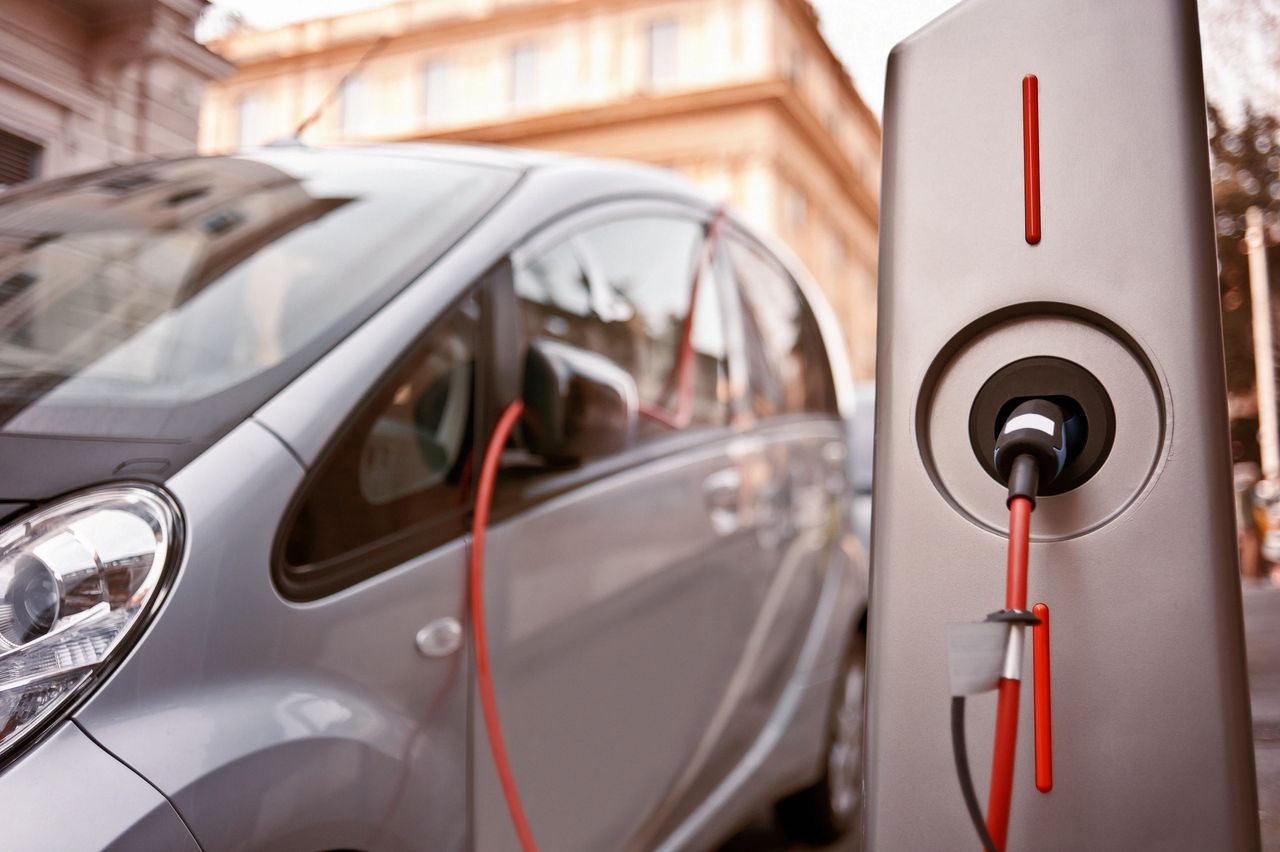
EV battery range in summer heat is one of the most common questions North County drivers bring in, and it is usually prompted by the same experience: the estimated range on a July afternoon looks noticeably worse than it did in March. Nothing is broken. The battery has not suddenly aged. What has changed is where the energy is going, and understanding that distinction is the difference between adjusting your habits and worrying about an expensive repair.
Cold weather gets most of the attention in EV range discussions, and for good reason, but heat deserves equal billing for a different reason. Cold reduces range temporarily and recovers fully. Sustained heat reduces range temporarily and, over years, contributes to permanent capacity loss. For drivers in Escondido, San Marcos, and Valley Center, where summer afternoons regularly climb well past what coastal areas see, that long-term effect is worth managing deliberately.
Why Does EV Range Drop in Hot Weather?
EV range drops in hot weather primarily because energy is diverted to cooling rather than to driving. The cabin air conditioning draws directly from the traction battery, and the battery thermal management system runs its own cooling loop to keep the pack within its optimal temperature window. Together they commonly account for a 10 to 20 percent range reduction on the hottest days.
This is a fundamentally different situation from a gas vehicle, where cabin heat is essentially free because it comes from engine waste heat and air conditioning costs a modest amount of fuel through the compressor. In an EV there is no waste heat to harvest and no separate energy source. Every watt of cooling comes out of the same pack that moves the car.
The battery thermal management load is the part drivers do not see. Lithium-ion cells work best in a fairly narrow temperature band, and when ambient temperatures push the pack above it, the cooling system engages to bring it back. That system runs while driving, while charging, and sometimes while the car sits parked in the sun. It is protecting a very expensive component, which makes it energy well spent, but it is energy that does not go to the wheels.
Does Heat Permanently Damage an EV Battery?
Sustained high temperatures do accelerate permanent capacity loss, though modern thermal management systems limit the effect substantially. Heat speeds up the chemical side reactions inside lithium-ion cells that gradually consume active material, and that degradation is cumulative and irreversible.
Three factors compound the effect, and all three are controllable:
- High state of charge combined with high temperature. A battery sitting at 100 percent in a hot parking lot degrades faster than the same battery at 60 percent
- Frequent DC fast charging in hot conditions. Fast charging generates significant heat internally, and doing it when the pack is already warm stacks two heat sources
- Long periods parked in direct sun without shade or preconditioning
The practical takeaway is that a North County EV owner who charges to 80 percent on a Level 2 charger overnight, parks in shade or a garage when possible, and saves DC fast charging for road trips will see meaningfully better long-term battery health than one who does the opposite. None of that requires special equipment, only habit.
How Can You Get More Range on Hot Days?
The most effective single technique is preconditioning. Nearly every EV lets you cool the cabin on a schedule or through an app while the vehicle is still plugged in. Doing so pulls the initial cooling load from the grid rather than the battery, and because the initial pull-down from a sun-baked interior is the most energy-intensive part of the whole trip, this recovers a real portion of your range.
Beyond that, several habits add up:
- Park in shade or a garage whenever available, which reduces both cabin cooling load and pack thermal management demand
- Use seat ventilation if equipped, since cooling a person directly costs far less than cooling the entire cabin volume
- Crack the windows for the first minute of driving to purge superheated interior air before closing up and running the AC
- Keep tires at the correct pressure, since rolling resistance is a major factor in efficiency and heat changes pressure
- Use a windshield sunshade, which noticeably lowers interior temperature at zero energy cost
- Moderate freeway speed, because aerodynamic drag rises sharply with speed and compounds every other loss
None of these individually transforms your range. Together they routinely recover most of what a hot day takes away.
What EV Maintenance Matters Most in Summer?
The battery thermal management system deserves attention first, because it is the component doing the most work in the heat and the one whose failure is most consequential. Most EVs use a liquid cooling loop with its own coolant, pump, and radiator, and that coolant needs periodic inspection and replacement just like engine coolant does. A degraded loop or a failing pump means the pack loses its ability to regulate temperature exactly when it needs it most.
Cabin air filters matter more than most owners assume. The air conditioning is working harder in summer, and a restricted filter forces it to run longer to reach the same cabin temperature, which draws more energy from the pack. It is an inexpensive part with a direct efficiency payoff.
Tires are the other high-value item. EVs are heavy, and that weight plus instant torque wears tires faster than a comparable gas car. Underinflated tires increase rolling resistance, hurt range, and build excess heat on hot pavement. Regular rotation and pressure checks protect both efficiency and safety.
The 12-volt battery is the quiet failure point. Even in an EV, a conventional 12-volt battery powers the computers, contactors, and accessories, and it is subject to the same heat-driven degradation as any other lead-acid battery. When it fails, the vehicle may not power up at all regardless of how much charge is in the main pack. Load testing it before summer is a small step that prevents a confusing no-start.
Brakes need a specific kind of attention on EVs. Because regenerative braking does most of the slowing, the friction brakes get used lightly and infrequently, which sounds good but actually allows calipers to seize and rotors to corrode from disuse. Periodic inspection and lubrication of the caliper slides keeps them functional for the moments when regen alone is not enough.
When Should You Have Your EV Inspected?
Have the vehicle inspected before the peak of summer rather than during it, ideally in late spring. That timing lets you address coolant condition, cabin filters, tires, and the 12-volt battery before the season puts maximum demand on all of them.
Bring specific observations with you. If your typical commute now shows noticeably worse efficiency than it did last year at the same temperature, that is useful diagnostic data. If charging has slowed, if you hear the thermal system running more than usual, or if you have seen any warning about reduced power or charging limits, mention it. Those symptoms distinguish normal seasonal variation from an actual fault in the thermal or charging system.
Frequently Asked Questions
How much range does an EV lose in hot weather?
Most drivers see roughly 10 to 20 percent less range on very hot days once cabin cooling and battery thermal management are both running. The loss is largely from energy diverted to cooling rather than from the battery itself losing capacity, so range returns when temperatures moderate.
Should I precondition my EV in summer?
Yes. Cooling the cabin while still plugged in uses grid power instead of battery power, so you start the drive at full charge with a comfortable interior. It is one of the simplest ways to recover summer range.
Is DC fast charging bad for the battery in hot weather?
Occasional fast charging is fine, but relying on it daily in high heat accelerates degradation because it stacks charging heat on top of ambient heat. Level 2 charging overnight is gentler and is the better default when you have the option.
What state of charge should I keep my EV at in summer?
For daily driving, keeping the battery between roughly 20 and 80 percent reduces stress, and this matters more in hot weather than in mild weather. Charge to 100 percent when you actually need the range for a trip, and try not to leave the car sitting at a full charge in the sun for days.
Does an EV need less maintenance than a gas car?
It needs different maintenance, not none. There is no oil, no exhaust, and no spark plugs, but brakes, tires, suspension, cabin filters, coolant for the battery and power electronics, and 12-volt battery service all still apply, and several of those wear faster on an EV because of the added weight and instant torque.
Keep Your EV Efficient Through North County Summers
Summer range loss in an electric vehicle is mostly normal physics, and most of it is recoverable through preconditioning, shade, tire pressure, and sensible charging habits. What is not automatic is the maintenance that keeps the thermal management system, cabin cooling, tires, and 12-volt system in good shape, and those are precisely the items that determine whether your EV handles a heat wave comfortably or starts throwing power limitations.
Owen's Automotive services hybrid and electric vehicles alongside foreign and domestic cars, with technicians trained for high-voltage systems. If you want your EV evaluated before the hottest part of the summer, visit our hybrid and EV maintenance page, call (760) 745-5481, or get in touch to schedule an inspection in Escondido.